
Shami Calls Time on Tests – Fitness, IPL Impact & the New Selection Puzzle

Published 2026-11-08 · By Varun Reddy (Syndicate & Match Preview Editor · Mumbai Desk)
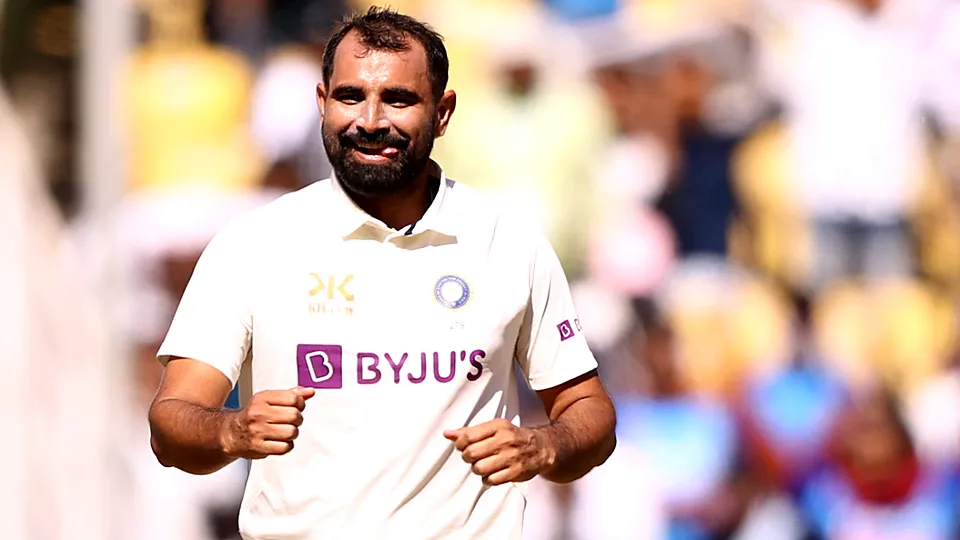
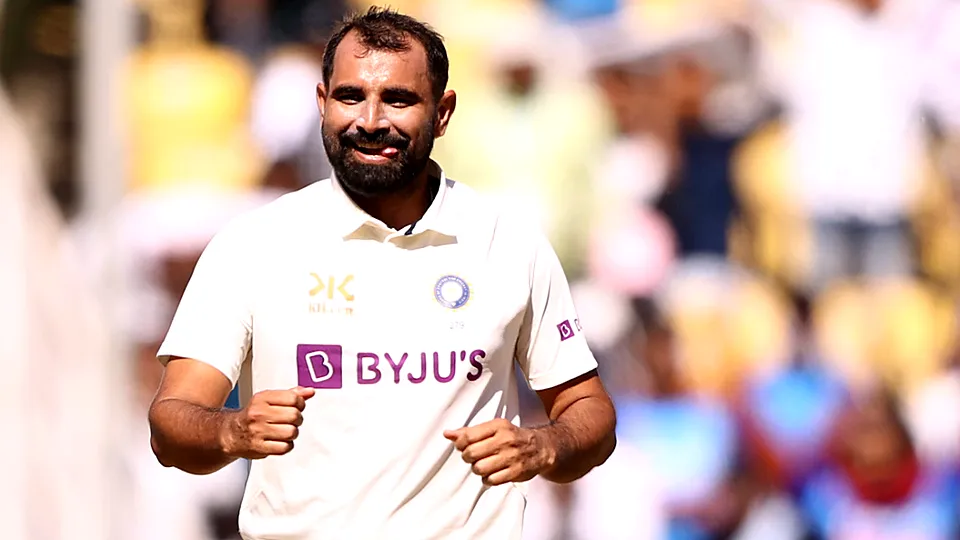
At 7:45 pm on the fourth day in Ahmedabad, Shami’s last Test dismissal – a skiddy low‑fuller to the left‑hander – sparked a standing ovation that turned into a quiet backstage farewell. The 36‑year‑old walks off with 285 wickets, six‑th of India’s all‑time tally, and a fitness story that will haunt IPL franchises for months.
Shami hangs up his Test boots – what it means for the fast‑bowling carousel
His numbers are undeniable, but the bigger narrative is the wear and tear that forced his decision. A nagging shoulder strain, a recurring hamstring niggle and the infamous ‘sticky red‑soil track’ injuries have turned his training log into a red‑flag chart. For a league that sells 1.2 crore tickets per match, the cost of a fast bowler’s downtime is huge.
Fitness alarm bells for the IPL circuit
Every franchise now has to ask: can we afford a Shami‑type pacer without a 12‑week rehab window? The answer, for most, is a hard no. Teams are scrambling for bowlers who can clock 140 kph on a flat pitch, sustain a 5‑over spell, and still hit the gym for a 30‑minute core circuit the next day.
Take the Hyderabad scouts – we’ve already flagged two Ranji‑grade guns who can swing the new ball and survive the 30‑minute ‘cool‑down’ drills. The catch? Neither has the ‘big‑game’ temperament that Shami built on the sub‑continental tour of 2022.
Impact Player gambles with the new rule
Since the Impact Player rule became mainstream, teams have been treating the slot like a poker chip. The idea is simple: bring a fresh arm or a power‑hitter at 15‑overs, when the ball starts to skid. But the math doesn’t always add up. A 20‑over spell from a debutant pacer can drain the 5‑over limit, leaving the side short on overs later.
Hyderabad’s upcoming match against Mumbai will likely see an Impact Player bowler who can bowl at 138 kph with a skiddy hard length. Why? Because the Deccan stadium’s boundary‑percentage is a whopping 68 % – a small ground means every extra run counts.
Left‑right combos vs wrist‑spin: a missed opportunity
When a wrist‑spinner like Sunil Narine is in the XI, the conventional wisdom is to open with a left‑hander, then a right‑hander, to disturb the line. Yet the last three IPL seasons have shown that teams often ignore this, preferring big hitters over strategic pairings.
Hyderabad’s scouting report lists three left‑handed finishers with a 71 % boundary‑hit rate against spin. Pair them with a right‑hander who can pull the ball on the square leg. The payoff? A 12‑run surge in the powerplay, which is a game‑decider on a 70‑meter field.
Boundary dimensions dictate selection headaches
Stadiums across India now boast a wide range of fence lengths – from the 68‑meter edge in Pune to the 84‑meter expanse in Chennai. The ripple effect on team composition is palpable. On smaller grounds, you bank on aerial shots; on larger ones, you need a bowler who can bowl a low‑fuller that lands on the deck.
Hyderabad’s bench for the next two weeks includes a seamer who can consistently hit the deck at 130 kph – perfect for the long boundaries of Chennai. Conversely, the squad for the Deccan will likely feature a wrist‑spinner with a flatter trajectory to exploit the short square leg fence.
Pre‑toss XI dilemmas: the fitness factor takes centre stage
Every captain now faces a two‑step decision before the toss: Who makes the playing XI? Who sits on the bench as the Impact Player? The answer is no longer just about form; it’s about who survives the next 48‑hour fitness test.
Take the case of a 29‑year‑old pacer who ran a 4:45 km in the pre‑match camp. He looks match‑ready, but his MRI shows a micro‑tear in the left glute. The team doctor says: ‘play or risk a season‑ending injury.’ The captain’s gut says play – the IPL is a short, high‑stakes tournament, and the points table waits for no one.
What the Shami exit teaches us about athlete fitness & IPL news
Shami’s retirement is a cautionary tale. It underlines that longevity in Test cricket doesn’t translate automatically to IPL durability. Teams must invest in sports‑science, monitor workload, and rotate players before the injury list swells.
Franchises that embed a real‑time fitness dashboard into their scouting strategy will be the ones to dominate the next season. The old adage ‘you are only as good as your bench’ has never been truer.
Bottom line – adapt or get left behind
The fast‑bowling market is now a fitness market. Shami’s exit opens a slot, but it also opens a floodgate of questions: How deep is the talent pool? How many can shoulder‑run a 140‑kph spell without a 30‑day rest? And can the Impact Player rule be weaponised without breaking the overs budget?
Our scouts will keep a watchful eye on the wear‑and‑tear metrics, the left‑right batting pair statistics, and the boundary‑percentage charts. The teams that translate those numbers into line‑ups will walk away with the trophy – and the fans will finally see a bowl‑fast attack that can last the whole IPL, not just the first half.
Related coverage
- Anshul Kamboj Bounces Back in Auckland: Fitness Focus Amid IPL Buzz
- From Ranji grind to WPL peaks: How fitness overhaul beat world champs

Updated 2026-11-08 · Instant Rupee Deposits & 60s Withdrawals · 24/7 Support.
Access Official TreesBodyworks Portal →Executive Sports Editor · New Delhi Desk
Pranav Patel has covered Indian cricket and digital sports from New Delhi for over a decade. At TreesBodyworks (treesbodyworks.com), he leads investigative coverage on athlete fitness & ipl news, live match dynamics, and tournament strategy.
Reader Discussion & Match Reactions (5)4.8★ Community (5 Comments)
Verified Indian cricket reader perspectives & tactical debate on treesbodyworks.com
285 Test wickets and sixth on the all-time list, yet the number IPL teams will actually run through a spreadsheet is that 12-week rehab window. A shoulder strain plus recurring hamstring means his availability percentage in an auction ledger is borderline unsellable at 36.
Romantic nonsense. A 36-year-old bowling through a shoulder strain and recurring hamstring niggle is a selectorial failure, not a farewell. If BCCI's workload policy existed beyond PowerPoints, Shami's 285th wicket in Ahmedabad wouldn't have doubled as a retirement announcement.
Funny how Hyderabad scouts want Ranji-grade guns who swing the new ball AND survive the 30-minute cool-down drills, then complain neither has big-game temperament. Temperament isn't auction-bought; Shami built his on the 2022 subcontinental tour after a proper Ranji grind. Give those two five state seasons before you judge.
140 kph on a flat pitch, a sustained 5-over spell, and a 30-minute core circuit the next morning — that's a gym spec sheet, not a bowler. With the Impact Player slot being played like a poker chip, franchises can simply swap the wounded quick out. Why bid premium for durability then?
@Saurabh_NRR fair point on the 12-week rehab window, but the man still produced a skiddy low-fuller to the left-hander at 7:45 pm on day four in Ahmedabad with a red-flag training log. A franchise that lets that spell walk over a spreadsheet will regret it at the auction.