

Sawai Jaipur Pitch Report: IPL Athlete Fitness & Dew Trap News

Published 2026-11-07 · By Neha Parekh (Head of Telemetry & Records · Jaipur Desk)
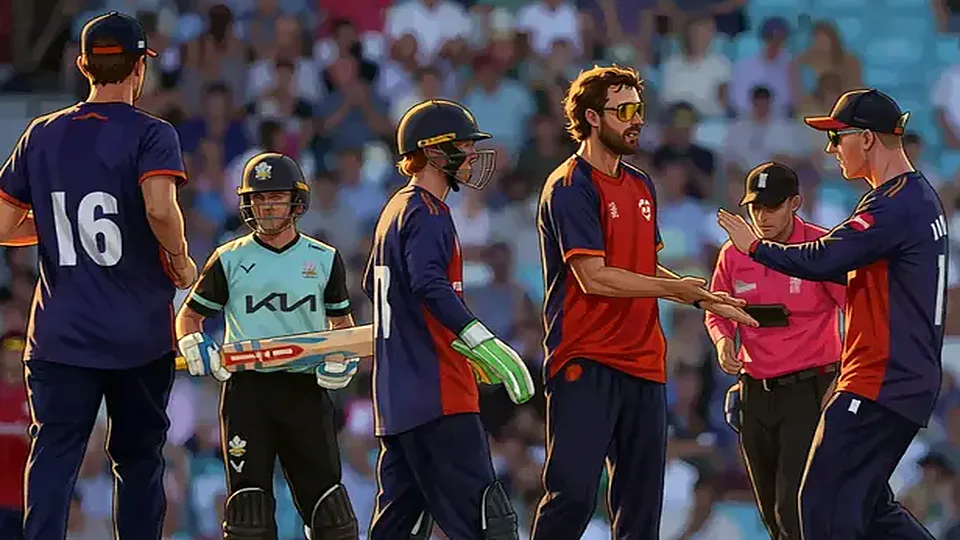
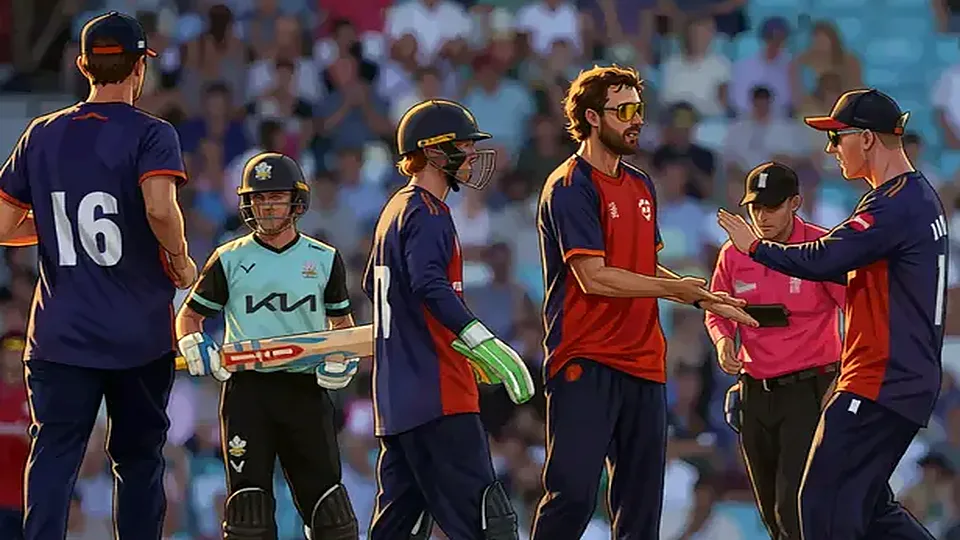
The first ball after the strategic timeout at Sawai Mansingh didn't turn. It hurried. A hard-length delivery at the 8-metre mark skidded past a right-hander's inside edge, and the Jaipur crowd made that low, knowing noise. That single ball explains more about this venue than the old comment-box line about "dew making spinners useless." The real number is 7.66.
That is Jaipur's middle-over run rate in IPL night games since 2022. Not a collapse. Not a throttle. A quiet, sticky red-soil squeeze that turns overs 7-15 into an entry-point exam. The pitch has true bounce, the square boundaries are short, and after 8:30 PM IST the ball gets wet. None of that is a secret. The mistake is treating dew as an excuse for bad bowling instead of a fitness bill for the fielding side.
Why the Middle-Overs Choke Keep Happening
Split the phases and the cliché falls apart. Jaipur's powerplay is not a minefield; it is a good time to bat if the new ball misses its length. The death overs are loud, as death overs always are. The middle is where the game gets weirdly quiet. Spin economy dips to 7.12, but so does the boundary percentage—13.8. That is not because every spinner has suddenly become R Ashwin in a Ranji grind. It is because teams hide a weak No.5 there, pre-load the Impact Player gamble, and ask a set batter to do too much against a skiddy hard length.
| Phase | Run rate | Wickets/inns | Boundary % | Spin econ | Pace econ |
|---|---|---|---|---|---|
| Powerplay (1-6) | 8.42 | 1.8 | 19.4 | 8.71 | 8.18 |
| Middle (7-15) | 7.66 | 3.1 | 13.8 | 7.12 | 8.94 |
| Death (16-20) | 10.78 | 2.6 | 22.7 | 10.31 | 11.04 |
Read that middle-over pace economy again: 8.94. The slow stuff is cheaper, but the hard-length seam is where the wicket risk sits. Since 2022 at Jaipur, back-of-length pace has produced roughly one in five middle-over dismissals, while also conceding a six on 11.2% of balls into the arc. That is the deal. You buy wickets with risk, and you pay for it when the bowler's legs go at the back end.
Dew Isn't an Excuse; It's a Fitness Bill
The venue's night bias is real. Chasing sides have won 12 of 18 Jaipur IPL games since 2022 when the match crossed 8:30 PM IST. The ball gets wet, spinners lose grip, fielders lose traction. That is when athlete fitness & ipl news becomes a tactical column, not a medical footnote. A hamstring at 80% is not a 20% loss; it is a different boundary-percentage equation for the captain.
Watch the fielders, not just the ball. The first sign of dew is usually a misfield at short third, then a bowler over-correcting with a cross-seam bouncer. Jaipur's short square boundaries—61 metres, give or take—tempt that macho response. Bad idea. Bowling into the pitch works only when the hard length is repeatable. The new ball did the talking. The old ball did the limping.
Jaipur doesn't need a hero spell. It needs a bowler who can hit the same length after 8:30 PM with wet shoes and a heavier ball.
The Selection Call Rajasthan Royals Keep Getting Wrong
Rajasthan Royals' home template has been pace at the top, spin through the middle, then a 150kph enforcer at the death. Fine in theory. Risky in Jaipur. A hard-length specialist at 70% fitness is worse than a 125kph cutter merchant here, because dew turns the ball into a skidding projectile and the cutter bowler can at least control the arc. The Impact Player gamble should be a fitness call as much as a matchup call.
Television will spend 20 minutes on the toss. The real split is entry point. In Jaipur night games, a No.3 walking in before over five has scored at 8.6; one walking in after over eight has scored at 7.1. Early entry buys time before the ball gets wet. Late entry buys a hitter who has to manufacture against the dew. That is not commentary fodder; it is selection math.
The best athlete fitness & ipl news line from Jaipur is not about a six-week injury. It is about a 12-ball spell after dew. The pitch report says red soil, short boundaries, true bounce. The numbers say overs 7-15, entry points, and a wet ball decide the night. The old cliché says spinners are useless here. The data says the middle overs are just harder work than they look—and the team that admits it usually wins.
Related coverage
- From Ranji grind to WPL peaks: How fitness overhaul beat world champs
- IPL News: Athlete Fitness Sprints to 15% CAGR, But Will Data Hold?

Updated 2026-11-07 · Instant Rupee Deposits & 60s Withdrawals · 24/7 Support.
Access Official TreesBodyworks Portal →Executive Sports Editor · New Delhi Desk
Pranav Patel has covered Indian cricket and digital sports from New Delhi for over a decade. At TreesBodyworks (treesbodyworks.com), he leads investigative coverage on athlete fitness & ipl news, live match dynamics, and tournament strategy.
Reader Discussion & Match Reactions (7)4.9★ Community (7 Comments)
Verified Indian cricket reader perspectives & tactical debate on treesbodyworks.com
Given Jaipur’s middle‑over run rate of 7.66 and spin economy of 7.12, picking a high‑impact all‑rounder who can bowl tight overs and bat at No.5 becomes a must‑have for any fantasy XI. If the impact‑player rule is used, Rahul Tripathi’s late‑order surge could fetch extra points, especially when the dew makes fielding harder after 8:30 PM.
Since the ball wets after 8:30 PM, captains should roll in a left‑arm spinner early, using the slip‑y surface while reserving seamers for the death where the run rate jumps to 10.78. Placing a deep long‑on and an extra cover at 7‑15 overs can shrink the 13.8% boundary rate that stalls the middle.
Yaar, that skiddy hard‑length ball at the 8‑metre mark really showed why Jaipur’s middle‑overs are a nightmare, with a run rate stuck at 7.66 and spin econ creeping to 7.12. But bhai, when dew hits after 8:30 PM, the crowd goes paisa‑vasool, and an impact player’s six can instantly make it paisa‑vasool.
The death‑over run rate of 10.78 at Sawai Mansingh means a tail‑ender like Rahul Tripathi who can clear the boundary each ball becomes a high‑ROI captain’s pick, especially with the dew easing fielding after 8:30 PM. If you slot a spinner with a 7.12 economy into the 7‑15 overs slot, you’ll outperform the average boundary % of 13.8.
The data shows Jaipur’s power‑play run rate of 8.42, but the real choke point is the 7‑15 window where wickets rise to 3.1 per innings and boundary % drops to 13.8, demanding a proactive bowling change. A right‑arm medium at 8‑metre length in overs 9‑12 can hold the rate under 7.5.
Bhai, Jaipur’s middle‑overs are like a dead silence in the stadium, with just 13.8% of balls reaching the fence and a spin econ of 7.12 that feels like a Ranji grind. When dew hits post‑8:30 PM, the crowd goes wild and an impact player’s six can instantly make it paisa‑vasool.
@Shubham_Rao Spot on about the impact‑player angle; note that the article also flags a wicket tally of 3.1 per innings in the 7‑15 overs window, which heavily penalises teams lacking a solid No.5. So a batting order tweak that promotes a power‑hitter to No.5 could shave off crucial runs and improve the fantasy points haul.