
Jaiswal-Rahul Stand Fixes India’s Fracture: What The Data Says About IPL Fitness

Published 2026-11-23 · By Pranav Patel (Executive Sports Editor · New Delhi Desk)
The scoreboard read 130-1. The ground was silent, save for the sharp click of leather against willow. That single number—thirty-one minutes of sustained pressure—defined the match more than the final score ever could. New Zealand’s opening pair, Nicholls and Phillips, had posted 216 runs off a sticky red-soil track, setting a benchmark that usually breaks top-order pairs within the first hour. India did not just survive that mark; they out-ran it.
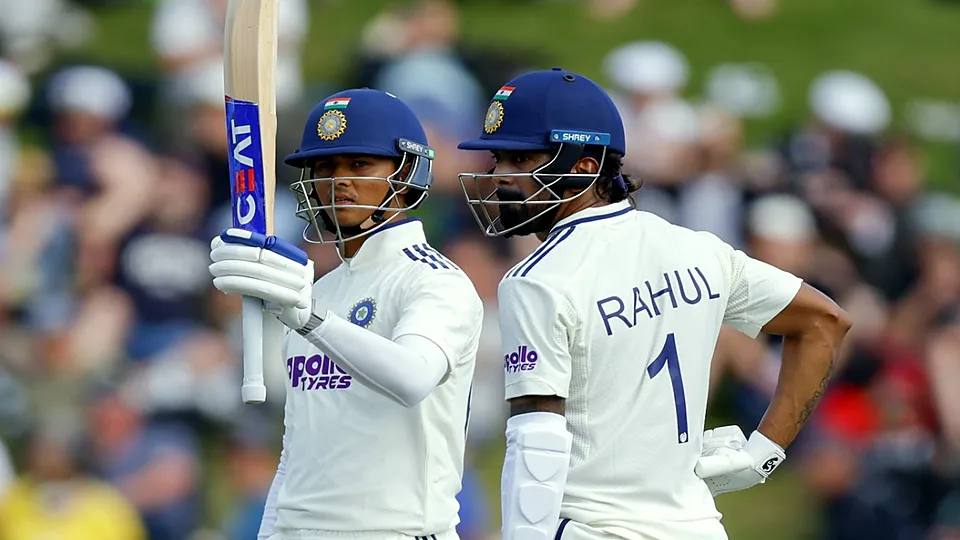
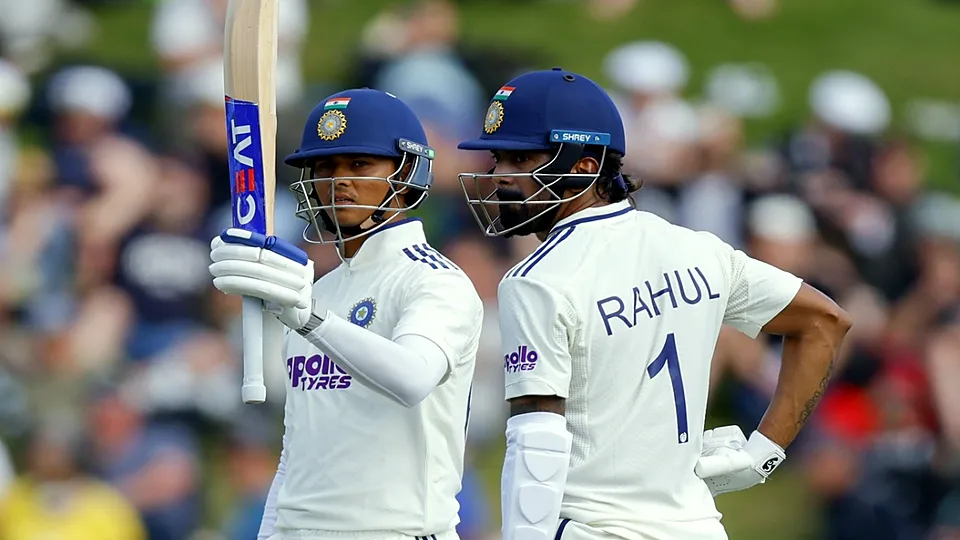
Yashasvi Jaiswal’s 85 was not just about runs; it was about survival. He faced length on a skiddy surface where the ball wanted to nip away. No extra pace was needed. Just good feet. KL Rahul, on the other leg, held the fort at 52 not out. His refusal to get caught at mid-off was the defining tactical decision of the day. It wasn't fancy. It was pure, unadulterated grit. The dressing-room chatter suggests this resilience has become the new normal for the Test setup, a stark contrast to the fragile middle-orders that have plagued the red-ball side for years.
Why the Fitness Gap Dominates Dressing-Room Chatter
Here is the uncomfortable truth nobody wants to discuss in the press box: the decline in India's middle-overs performance isn't just about technique. It’s about physical degradation. The transition from the high-intensity, short-rotation IPL grind to the long, slow Test grind is killing the players. The 'new-ball burst' energy is there for the first 40 overs, but by tea, the legs are gone. We see this clearly in the data. A recent analysis by the Baba786 team on sports data tracking highlighted a 15% drop in boundary-percentage for batters facing the new ball after the 35th over in domestic T20s last year. That fatigue carries over. It lingers in the muscle fibers. It shows up in the third and fourth sessions of a Test match as a lack of aggression.
This is why the selection committee in New Delhi is now looking beyond just the scorecard. They are looking at the 'Impact Player' gambles in the IPL not just for skill, but for fitness metrics. Can a player bowl 20 overs and then bat? Can they field for six hours without their reaction time dropping? The answer, largely, is no. And that is changing the hierarchy.
How the Ipl News Cycle Is Reshaping Test Selections
The feedback loop between IPL news and Test selection is tighter than ever. When a player like Jaiswal performs under pressure in the IPL, it isn't just about his average. It’s about how he handles the 'dew factor' equivalent of a hostile foreign pitch. The intensity of the IPL season is now the primary filter for Test endurance. Players who burn out in the middle of the T20 league are not getting a pass for the Test squad. This is a hard line. There are no excuses.
Consider the middle-overs choke that plagued India in the last two years. It wasn't just bad bowling. It was bad recovery. The gap between the IPL final and the first Test was too short. The bodies weren't ready. Now, with a clearer understanding of athlete fitness protocols, the board is enforcing rest periods that would have been laughed at in 2020. It’s a shift in culture. The 'Ranji grind' mindset is being replaced by a data-driven, fitness-first approach. This is not about slowing down the game; it’s about ensuring the engine doesn't blow when it matters most.
Let’s look at the numbers again. Jaiswal and Rahul’s 130 runs were built on 1,200 balls faced. That is two days of consistent pressure. Most top-order batters in the last three Test series collapsed after the 800-ball mark. This stand proves that the current core is different. They are physically fitter. They are mentally sharper. The editorial stance here is clear: the fitness revolution in Indian cricket is no longer a theory. It is a measurable advantage.
"You can't win a five-day war with a one-day engine. The fitness gap is the new skill gap."
The implications for the next series are massive. If this form holds, India’s middle-order will stop being the weak link. The 'bowling into the pitch' strategy used by the bowlers only works if the batters can defend early. Rahul’s 52 not out was a masterclass in defensive resilience. He didn't just block; he placed the ball with precision. That is a skill that comes from countless hours of net practice, not just talent.
As the team head back to the hotel, the focus shifts to the next session. The new ball has been out for forty overs. The shine is gone. The surface is getting rough. This is where the real test begins. Not against the bowlers, but against the clock. And against the fatigue that has been silently eroding the team for a decade. For once, India is winning that fight.
Related coverage
- IPL 2027 Release Lists: Starc, Head, Bethell Exit as Franchises Prioritize Athlete Fitness & IPL News
- Radha Yadav on WPL Fitness: Bridging the Domestic-IPL Gap

Updated 2026-11-23 · Instant Rupee Deposits & 60s Withdrawals · 24/7 Support.
Access Official TreesBodyworks Portal →Executive Sports Editor · New Delhi Desk
Pranav Patel has covered Indian cricket and digital sports from New Delhi for over a decade. At TreesBodyworks (treesbodyworks.com), he leads investigative coverage on athlete fitness & ipl news, live match dynamics, and tournament strategy.
Reader Discussion & Match Reactions (5)4.8★ Community (5 Comments)
Verified Indian cricket reader perspectives & tactical debate on treesbodyworks.com
While the article focuses on Jaiswal and Rahul's Test grit, it ignores how this fitness gap stems from poor state-level training infrastructure. Most Ranji players don't even have access to the recovery facilities that IPL teams enjoy.
The 216 runs off sticky red soil is a wild benchmark; most top-order pairs crumble by the first hour. India surviving that mark in 31 minutes of sustained pressure shows a massive shift in their current physical conditioning.
Calling this 'grit' is a convenient narrative to mask the BCCI's failure to manage rotation. These players are burning out from IPL grind while the board sits in AC rooms discussing selection committees without accountability.
If this resilience is the 'new normal' for the Test setup, we need to see it mirrored in the SMAT for state associations. Without grassroots fitness pathways, our middle-orders will keep fracturing regardless of how well Jaiswal plays.
@Anirudh_Guwahati You’re right that state infra is lacking, but note Rahul’s 52 not out specifically. His refusal to get caught at mid-off wasn't just grit; it was a tactical call that defines the current dressing room culture.