
West Indies India T20 Clash: Fitness Risks & IPL Impact Player Chaos

Published 2026-11-20 · By Varun Reddy (Syndicate & Match Preview Editor · Mumbai Desk)
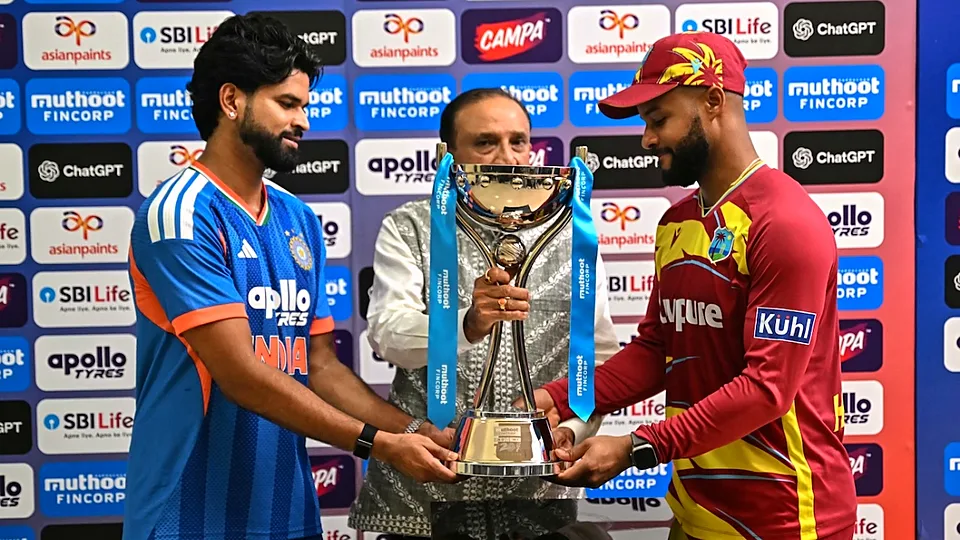
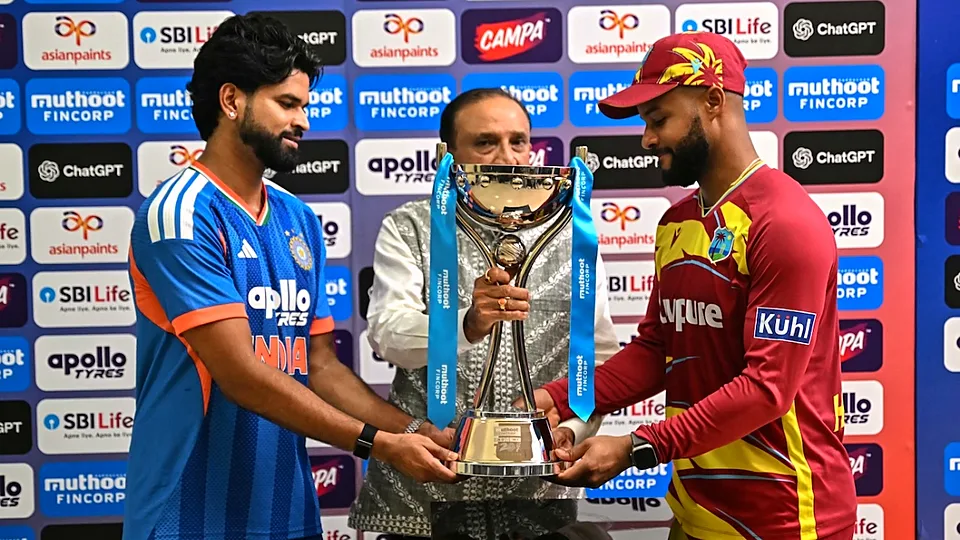
The ball skidded sharply onto the pitch, but the bat went the wrong way. That is the fear every Indian batter will face if the West Indies host us in Washington DC or Toronto next year. The BCCI hasn't confirmed the dates yet, but the logistics are leaking out fast. For a squad built on domestic red-soil batters, this is a massive jump in difficulty. The boundary dimensions in North America are not just large; they are dangerous. A hard-length ball here does not stop. It travels. And when you mix that travel with the dew factor after 8:30 PM IST (well, it's Eastern Time there, but the principle holds), you have a recipe for chaos.
The Left-Right Dilemma on Skiddy Tracks
You cannot just pick two left-handers and call it a day. Against wrist-spin on a drying, skiddy surface, you need a specific batting pair. Think about it: a right-hander plays the turn well. A left-hander forces the spinner to bowl wide to avoid the off-side. But if the pitch is hard, that 'wide' ball becomes a skidding horror. I have seen this in the IPL grind. Teams like RCB or CSK adjust their Impact Player substitutions based on how the first 10 overs play. Here, we might need a left-right pair specifically to neutralize a fast-movement spinner like Akeal Hosein or a new-generation wrist spinner. The Impact Player rule allows you to swap in a specialist batter in the second innings. If the first innings is a slog against pace, you send in a defensive anchor. If it is a quick finish, you keep the hard hitter. This is not just theory. This is survival.
Fitness becomes the hidden currency here. Indian athletes are conditioned for the humid, sticky conditions of Mumbai or the high-altitude cool of Dharampur. The air in Toronto in November or the dry heat of LA changes everything. Your lung capacity suffers in the first two sessions. By the time the night match starts, your legs are heavy. The BCCI needs to integrate athlete fitness tracking into the tour schedule. We are talking about hydration protocols, sleep cycles adjusted for time zones, and recovery tech. It is not just about running the 110m sprint. It is about maintaining explosive power for boundary-percentage hitters when the ball is moving weirdly. As one sports performance analyst noted on a recent breakdown linked via Indian420, modern T20 fitness demands require a 15% increase in anaerobic threshold training for players facing international travel. That is a stat that matters for our auction prospects.
Pre-Toss Panic and the Auction Ripple
Now, let us talk about the money. The IPL auction is just around the corner (or already wrapped up, depending on the year, but the cycle repeats). Players who can handle these North American conditions are worth a premium. Why? Because they can step into the Impact Player slot and deliver. If a player like Ishan Kishan or Yashasvi Jaiswal shows he can play the skiddy ball in Toronto, his auction value spikes. The domestic Ranji grind often masks international adaptability. A player who averages 60 at home might crumble if the pitch is 1% different. Scouts need to look at international exposure now. The West Indies tour is a test. Not just of skill, but of mental resilience.
- Boundary Dimensions: Expect 8-10 extra feet off the stumps at key venues. Adjust your hitting angle by 5 degrees.
- Ball Behavior: The new ball will move less, but the old ball will do everything. Plan your spin attack around the last 10 overs.
- Substitution Strategy: Keep a wicket-keeper batter on the bench. You need to swap for a specialist batter if the game is on, but you need a keeper if it is off. The Impact Player gamble is high-risk, high-reward.
It is easy to write off these series as minor. They are not. They are the proving ground for the next generation of all-rounder batters. The West Indies are not just a team; they are a puzzle. Their fitness levels are generally higher than ours. They train for the Caribbean heat. Coming to North America, they will be fresh. We will be fatigued. The BCCI medical team needs to be on point. No more 'we will rest him for the next game' excuses. The tour is long. The flights are brutal. The fitness protocol must be relentless. Otherwise, we will be staring at the sky when the ball skids past the keeper. And nobody in the dugout will have an answer. The column is written. The tour is approaching. Are we ready? The pitch says no. The body will tell the rest.
Related coverage
- Gambhir’s Away ODI Win: Fitness, Ipl News, And The Hard-Length Hack That Broke The Test
- U-19 Win, But Ipl News Hints At Athlete Fitness Gaps In Indian Squad

Updated 2026-11-20 · Instant Rupee Deposits & 60s Withdrawals · 24/7 Support.
Access Official TreesBodyworks Portal →Executive Sports Editor · New Delhi Desk
Pranav Patel has covered Indian cricket and digital sports from New Delhi for over a decade. At TreesBodyworks (treesbodyworks.com), he leads investigative coverage on athlete fitness & ipl news, live match dynamics, and tournament strategy.
Reader Discussion & Match Reactions (2)4.7★ Community (2 Comments)
Verified Indian cricket reader perspectives & tactical debate on treesbodyworks.com
Wait, you're citing IST timing for a Washington DC match? The dew factor hits differently in North American Eastern Time, not our local clock. More importantly, if RCB or CSK are adjusting Impact Player swaps after just ten overs, we need to see actual strike-rate data on skiddy surfaces to justify keeping a hard hitter over a defensive anchor in the second innings.
Calling domestic red-soil batters 'unsuited' for short boundaries is lazy analysis. India wins overseas with pace, not just heavy hitting. The real risk is BCCI ignoring the tactical nuance of Hosein's flight versus a left-hander's wide ball. If selectors stick to a rigid right-left pair without adapting to the skid, we end up with predictable chaos that no amount of Impact Player swapping can fix.